
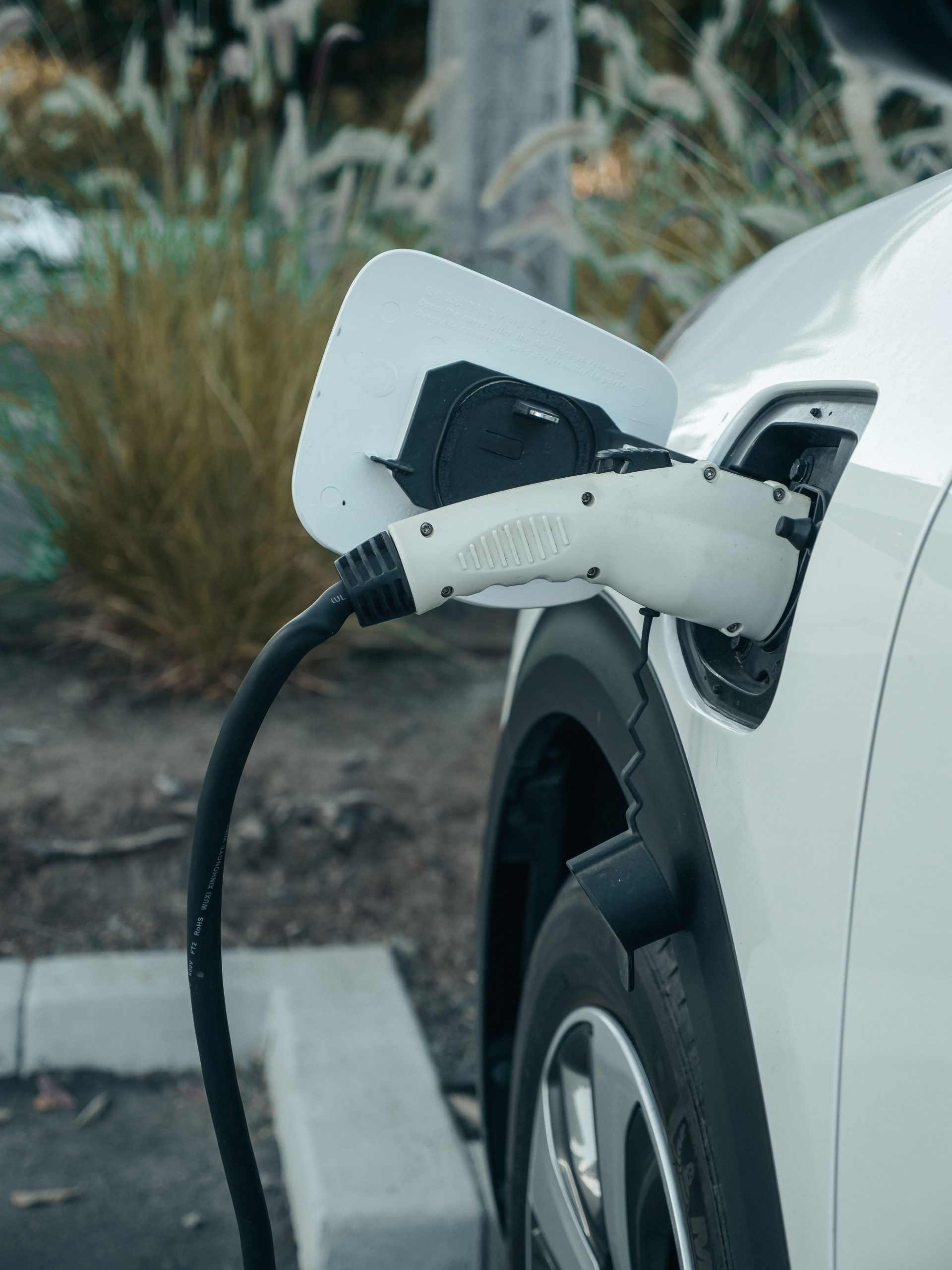
Renewable Energy and EV Charging for Hospitality Businesses
It’s a tough time for the hospitality industry. Rising energy costs are squeezing already tight margins. Meanwhile, guest demand for EV charging is rising, adding another area where sustainability expectations are increasing.
The good news? CES delivers renewable energy to hospitality businesses. As specialists in custom-designed commercial solar panel installation, battery storage solutions, energy management systems and EV charging, we help make your energy use smarter, greener and far more cost-effective.
If you want to cut costs, boost income, and attract customers through hospitality EV charging, or future-proof the energy supply of your hotel, guest house or bed and breakfast, pub, restaurant or cafe, there’s no better time than now.
Why Hospitality Businesses Are Rethinking Their Energy Strategy
Energy is one of the highest operating costs for hospitality businesses: electricity and gas for heating, refrigeration, kitchen equipment, laundry, lighting and more all put pressure on your bottom line.
Then there’s fuel for your transport. Electric vehicles are a great option, but only if you can take advantage of lower-cost electricity.
Renewable energy, like solar and EESS, isn’t just a sustainability buzzword; it’s a necessary investment for cutting high gas and electricity bills. EV charging is another great commercial investment. Adding charging stations doesn’t just lower your fleet’s energy costs; as a service, it adds appeal and income from EV drivers, as guests are increasingly choosing venues based on whether EV charging is available.
Energy efficiency in the hospitality industry is a must, and creating a bespoke full-service system is far more effective than a piecemeal approach.
Government Support for Sustainable Energy in the Hospitality Industry
The £10 million Hospitality Grant Scheme, launched in September 2026, targets sustainability investment, signalling that renewable energy and efficiency upgrades are now mainstream expectations. While each round has its own deadlines (round 1 closed 13th October 2026), future rounds are expected throughout this three-year programme.
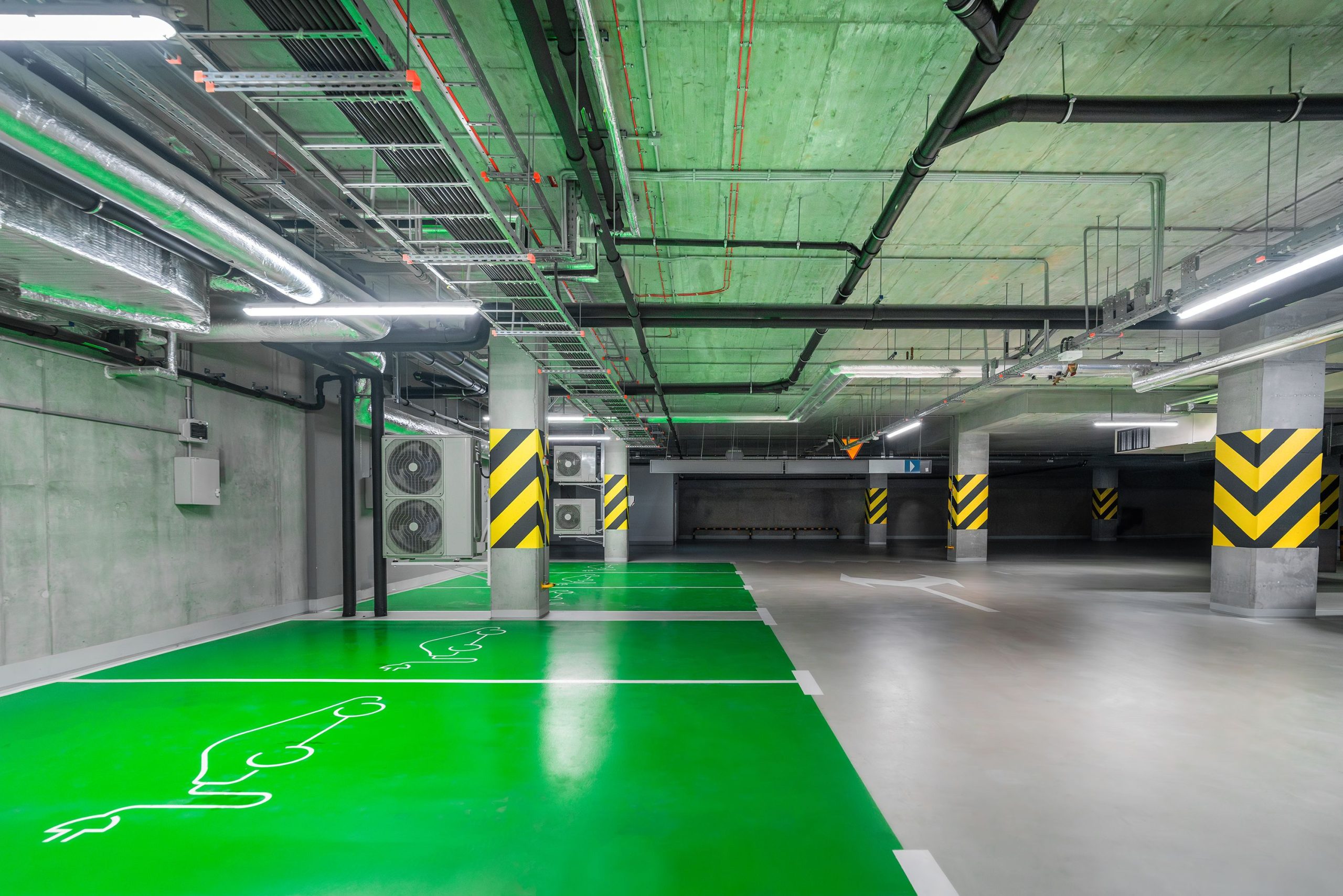
EV Charging for Hotels, Pubs and Restaurants
The vast majority of UK hotel and hospitality venues still don’t offer EV charging. Should they? By the end of 2024, 40% of new car registrations were electric or hybrid, with 1.36 million electric cars on UK roads, turning EV charging into a big business for those who offer it.
Early movers in hospitality EV charging have gained a genuine competitive advantage from the growing demand, as paid charging can generate meaningful annual income for venues with multiple chargers via tiered pricing or pay-per-use models. They also tend to be more visible on booking platforms and encourage guest dwell time.
While the advantages of EV charging for hotels seem fairly obvious, EV charging for bed and breakfasts or similar small hospitality businesses may not seem as lucrative. Not so; there’s a solution for every size and need:
Hotels
Utilise overnight slow chargers to service guests and boost revenue.
Pubs & Restaurants
May prefer faster chargers for 1- to 3-hour, shorter visits.
B&Bs & Cafes
May choose between systems that support guest-facing vs staff charging needs.
A word on smart electricity supply: By integrating EV chargers with solar installations and BESS (battery electrical storage system), CES’s approach avoids costly grid capacity upgrades by intelligently managing electrical load across chargers.
2027 Up to 40 sockets per applicant
Government Support for Workplace Charge Points
The Workplace Charging Scheme supports hospitality EV charging by helping cover the cost of installing up to 40 electric vehicle chargepoint sockets. Sites must meet eligibility criteria, but hospitality businesses with accommodation qualify via the accommodation route. Act soon, though, as the current scheme closes on 31 March 2027.

Commercial Solar Panels for Hotels, Pubs and Restaurants
Hospitality venues use significant energy during daylight hours: kitchens, refrigeration, HVAC, laundry, and even lighting, all of which align well with peak-time solar generation. This is one reason solar panel installation is so effective.
Bespoke solar panel installation for hospitality: Like EV charge points, CES designs solar panel systems for each business and venue. This might include pitched or flat roofs and varying energy profiles, for example. For your peace of mind, we’re MCS accredited and partner with industry leaders, including Victron, SMA, and SunPower.
Bridge to battery storage: Solar energy works best when paired with a battery storage system. By capturing excess solar energy during daytime generation, you can store the surplus electricity for evening use when hospitality businesses typically see their highest demand.
Claim the full cost in year one
Solar panels qualify as plant and machinery under HMRC capital allowances rules. Businesses can claim the full cost against taxable profits in year one via the Annual Investment Allowance.
- £8,750
- Around this much year-one tax relief on a £35,000 solar installation for a limited company paying the 25% main rate of corporation tax
- £14,000
- Up to this amount could be recovered by sole traders or partners paying higher-rate income tax (40%)
- 4–7 yrs
- Typical payback period for a commercial solar installation
- 20–30%
- Average reduction in electricity costs from commercial solar, depending on roof size, orientation and the business

Energy Storage for Hospitality Venues
BESS (battery electrical storage system) is the key connector between solar and EV charging. It lets operators store daytime solar generation and use it during evening service or to power EV chargers overnight, without drawing from the grid.
One of the biggest barriers to installing multiple EV chargers is the cost of upgrading grid connection. Battery storage can add capacity without expensive DNO works. Our Lithium Iron Phosphate systems operate from 50kWh to 500kWh+, covering everything from a small B&B to a large hotel site.
CES offers a 30-day monitoring service with commercial installations.

Energy Management for Hotels and Hospitality Venues
We’re all guilty of wasting energy, and in hospitality, it can feel unavoidable: inefficient equipment, poor monitoring, and reactive rather than proactive management all add up to higher-than-needed spend.
However, streamlining energy management in the hospitality industry doesn’t have to be complicated.
CES’s energy management service gives hospitality businesses real-time visibility of energy use across their sites, identifying waste, optimising consumption patterns and maximising the value of solar and battery investments.
CES’s energy management system can connect your solar panel system, EESS, and EV charging into a single optimised strategy, delivering far stronger service and far more value than the sum of its parts.
One Partner for Your Complete Hospitality Energy Strategy
CES is a NICEIC- and MCS-approved electrical contractor; these accreditations are what hospitality businesses should look for in any renewable energy installer.
Founded in 2015 by Joe Collison and Heidi Vaughan, Joe brings 16 years of industry experience to CES’s commercial energy projects.
Offering nationwide coverage, CES delivers the following core services: EV charging, solar PV, battery storage and energy management. You work with one installer, with one point of contact, delivering a single, structured, connected plan.
Frequently Asked Questions
How much does it cost to install EV chargers at a hotel, pub or restaurant?
Commercial EV chargers typically cost between £1,500 and £5,000 per socket for standard AC chargers, while rapid DC units range from £15,000 to £50,000+ per point. The investment depends on several factors, including charging speeds, required groundworks, and the venue’s existing electrical capacity.
Is there government funding available for EV charging in hospitality?
Yes, hospitality businesses offering accommodation in the UK can access government funding for electric vehicle (EV) charging through the Workplace Charging Scheme (WCS).
- Funding amount: Covers up to 75% of the total purchase and installation costs.
- Cap: Capped at £500 per socket (for installations completed on or after 1 April 2026).
- Limit: Maximum of 40 sockets total per applicant across all sites.
- Timeline: The scheme is currently open and runs through 31 March 2027.
Grant funding is also available via the Depot Charging Scheme (DCS) to help hospitality businesses install commercial EV charging infrastructure. The application window closes at midday on 26 February 2027.
Check if your business meets the core criteria:
- Eligible fleet vehicles: Your business must operate, or plan to operate, at least one battery-electric van, HGV, or coach (such as catering delivery vans, hotel shuttle coaches, or supply-chain vehicles).
- Commercial use restriction: Grant-funded chargers must be used primarily by your commercial fleet and cannot be used to fund standard guest or diner parking.
Are solar panels worth installing on a hotel, pub or restaurant?
Yes. Hospitality businesses’ highest electricity demand overlaps heavily with daylight hours, so they can consume green energy as it’s generated, maximising returns.
On average, commercial solar installations can reduce electricity costs by 20% to 30%, depending on business specifics and variables like roof size and building orientation. This offers a reliable buffer against volatile energy markets, and with many solar panels lasting around 30 years and a payback period typically between 4 and 7 years, the electricity generated is practically free.
And that’s not all. Under current UK tax rules, you can deduct the full cost of the solar panel system from your taxable profits as a capital allowance in the very first year.
Can solar panels, battery storage and EV chargers work together?
Yes. That’s the ideal solution: solar panels generate sustainable green energy, EESS stores surplus electricity for evening use, and EV chargers use the stored energy when needed. By generating its own power, the business reduces reliance on grid electricity while lowering its carbon footprint. Win-win.
How do I know which energy solution is right for my hospitality business?
By talking to the experts. CES will assess your energy consumption, roof/ground space, grid capacity and vehicle charging needs, then recommend the ideal combination of services for your operation.
How long does the installation take and will it disrupt my business?
When you partner with CES, we schedule work around quieter trading periods where possible, and most installations are completed within a week. For your peace of mind, we always agree on a programme of work with the client before any work begins.
Are You Ready to Future-Proof Your Hospitality Business?
If you are, CES has got everything you need: EV charging, solar PV, BESS and energy management, all delivered by a single reliable contractor.
With rising energy costs and growing guest expectations, now is the time to get ahead of your competitors who haven’t acted yet. Start today with our free, no-obligation consultation. Our expert team will assess your venue and needs, then recommend the right combination of services for your business.