CES post budget opinion
Reading time: 2 minutes approx.
Posted by: Melanie
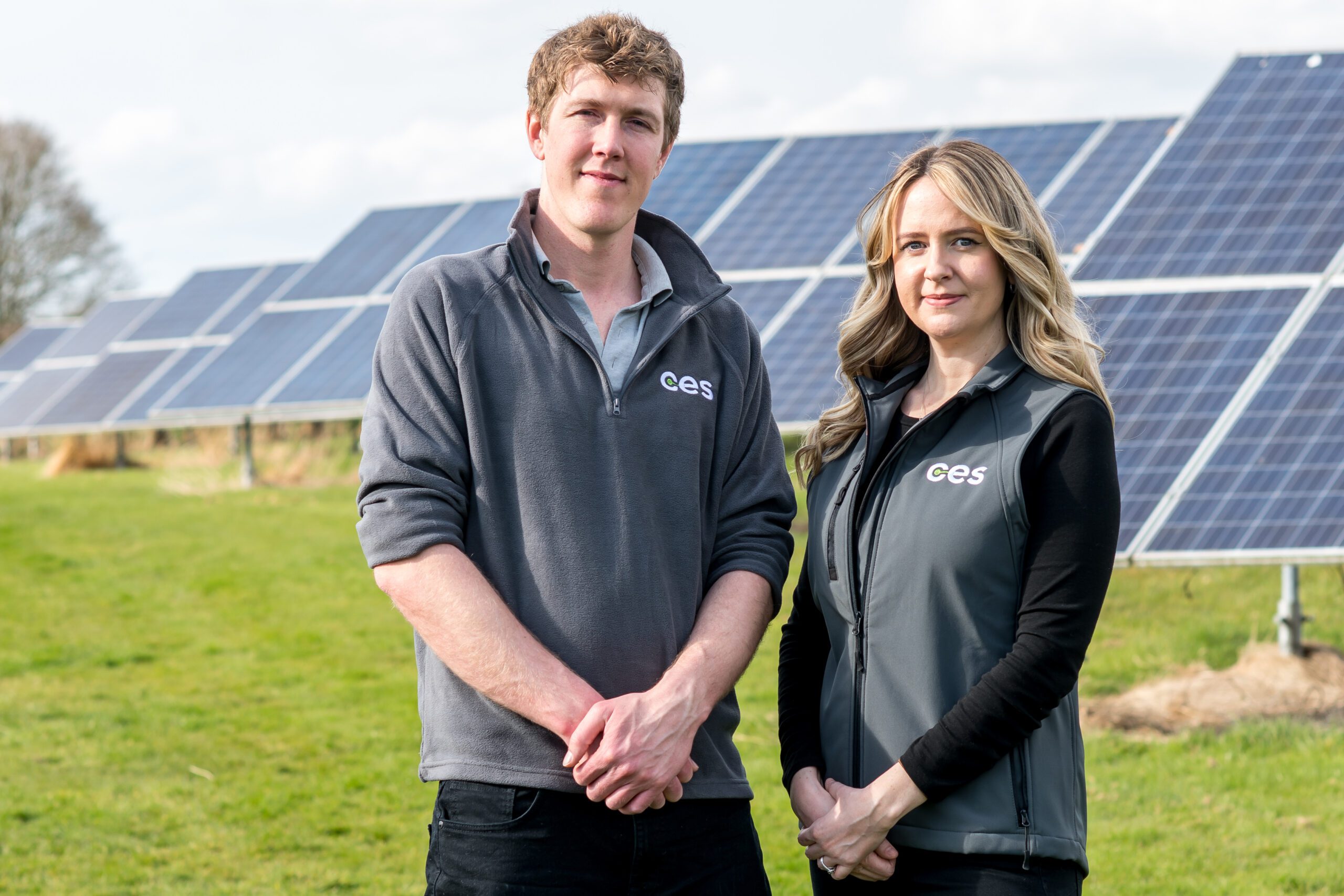
Energy specialist Joe Collison, MD of electrical contractors CES, says although there were no real surprises from the Chancellor in the November Budget, he was disappointed that she didn’t adopt a bolder stance on clean energy transition.
From ‘tinkering’ with the rates charged on electric vehicles, to her pledge to push nuclear energy in the UK, Joe says it was a missed opportunity.
“The new mileage-based charge on electric vehicles from April 2028 was inevitable but I am concerned about a potential creeping up of rates before 2028.
As electric vehicle sales surge and fuel duty continues falling, the Treasury will face mounting pressure to increase the rate or at least bring forward the implementation date. That uncertainty makes fleet planning harder for small businesses.
“The Chancellor says her mileage-based charge will raise £1.4 billion, which clearly shows just how quickly the electric transition is happening. For businesses still on the fence about going electric, they’ve got until April 2028 to prepare – but I wouldn’t expect this rate to stay static forever.
“If electric vehicles make business sense now, this modest additional charge shouldn’t change that. But businesses need to factor it into their planning… and not assume that the government won’t be tempted to tinker with the rate as adoption accelerates.”
And when it comes to SMRs (Small Modular Reactors) Joe suggests that investment in them would be better redirected elsewhere.
Referencing an article by Michael Barnard in CleanTechnica, outlining the findings from a recent study reviewing the predicted costs of SMRs, Joe says: “Although we support an element of Nuclear in our grid, these costs are one of the reasons we don’t support sustained investment in SMRs.
“Why are we wasting our capital ‘having a go at SMRs’ when again we have proven technologies in wind, solar and hydro power that are ready to deploy on budget and on time.
“With the costs of Hinkley Point ever increasing, confidence in this government to deliver cost-worthy Nuclear projects is waning from our side.”
Similarly North Sea drilling: “We appreciate that even at best case scenario, we will require gas peaking plants to backup the grid at peak times.
However, we are expecting gas requirement to reduce significantly as we bring more renewables online, hence the requirement for the new gas fields is finite.
“I’m pleased to see the limitation of new North Sea exploration contracts to those that are tied to existing fields only, but I am concerned this government aren’t fully supporting the jobs transition for the oil and gas industry.
“Here at CES we have been actively recruiting throughout 2025 and what has been clear to us is that there is a distinct lack of skilled labour in the clean energy industry, a labour gap that could be easily filled by those transitioning from O&G. I would welcome further investment from the government to ensure that the skilled labour being lost from the oil and gas industry is enticed toward joining the clean energy transition.”