
Commercial EV Charging for Business Fleets & Sites
Commercial EV charging is becoming essential infrastructure for workplaces, fleet depots, logistics operations, retail sites and commercial premises across the UK.
CES delivers end-to-end commercial EV charging installation, from workplace EV charging stations and fleet EV charging stations through to high-capacity charging infrastructure for electric vans, HGVs, and commercial fleets. Our expert team manages the full process in-house, including site surveys, layout designs that optimise EVC scheme flow, capacity assessments, DNO engagement, charger installation, commissioning and ongoing support.
Whether you’re planning commercial fleet EV charging, installing EV charging points for employees and visitors or preparing your business for future EV adoption, we help you build scalable, reliable infrastructure.

What is commercial EV charging?
Commercial EV charging refers to electric vehicle charging infrastructure designed for businesses, fleet operators, workplaces, retail parks, industrial sites and public sector organisations.
Unlike home electric vehicle chargepoints, commercial EV charging stations are built to support multiple chargers, higher power outputs and larger energy demands.
Workplace EV charging stations are typically designed for employees and visitors, while commercial fleet EV charging infrastructure supports operational vehicles such as vans, delivery fleets and HGVs.
As the number of electric vehicles on UK roads continues to grow, businesses are investing in commercial EV chargers to reduce fuel costs, lower greenhouse gas emissions and support long-term fleet electrification.
Government funding for commercial EV charging
The UK government has committed more than £1 billion towards electric vehicle infrastructure and commercial fleet electrification. Three of the most important funding schemes currently available are:
Depot Charging Scheme (DCS): The Depot Charging Scheme provides £170 million in funding support for businesses installing commercial EV charging infrastructure at depot sites. Eligible costs can include: Commercial EV charging stations, Solar PV, Electrical infrastructure, Civil engineering works and Battery energy storage systems.
Zero Emission Truck and Van Grants: These grants support businesses transitioning fleet vehicles from diesel towards electric vehicles.
Plug-in Truck Grant: The Plug-in Truck Grant helps reduce the cost of electric trucks and HGVs.

The reality of applying for the Depot Charging Scheme
Many businesses researching the Depot Charging Scheme never complete the application.
Even the GOV.UK login process can become an early barrier, and the full submission is highly technical. Businesses are expected to provide grid connection evidence, DNO engagement details, project cost planning, contractor qualifications, Risk Registers and a commitment to complete works by .
CES helps businesses navigate the entire process
We manage the following aspects: Grid capacity assessments, DNO engagement, Infrastructure planning, Commercial EV charging installation, Project cost planning and Battery storage and solar integration.
Is the Depot Charging Scheme right for your business?
The DCS is generally best suited to businesses operating fleet vehicles from depot sites and planning a transition to electric vehicles before 2027.
Why businesses are investing in commercial EV charging
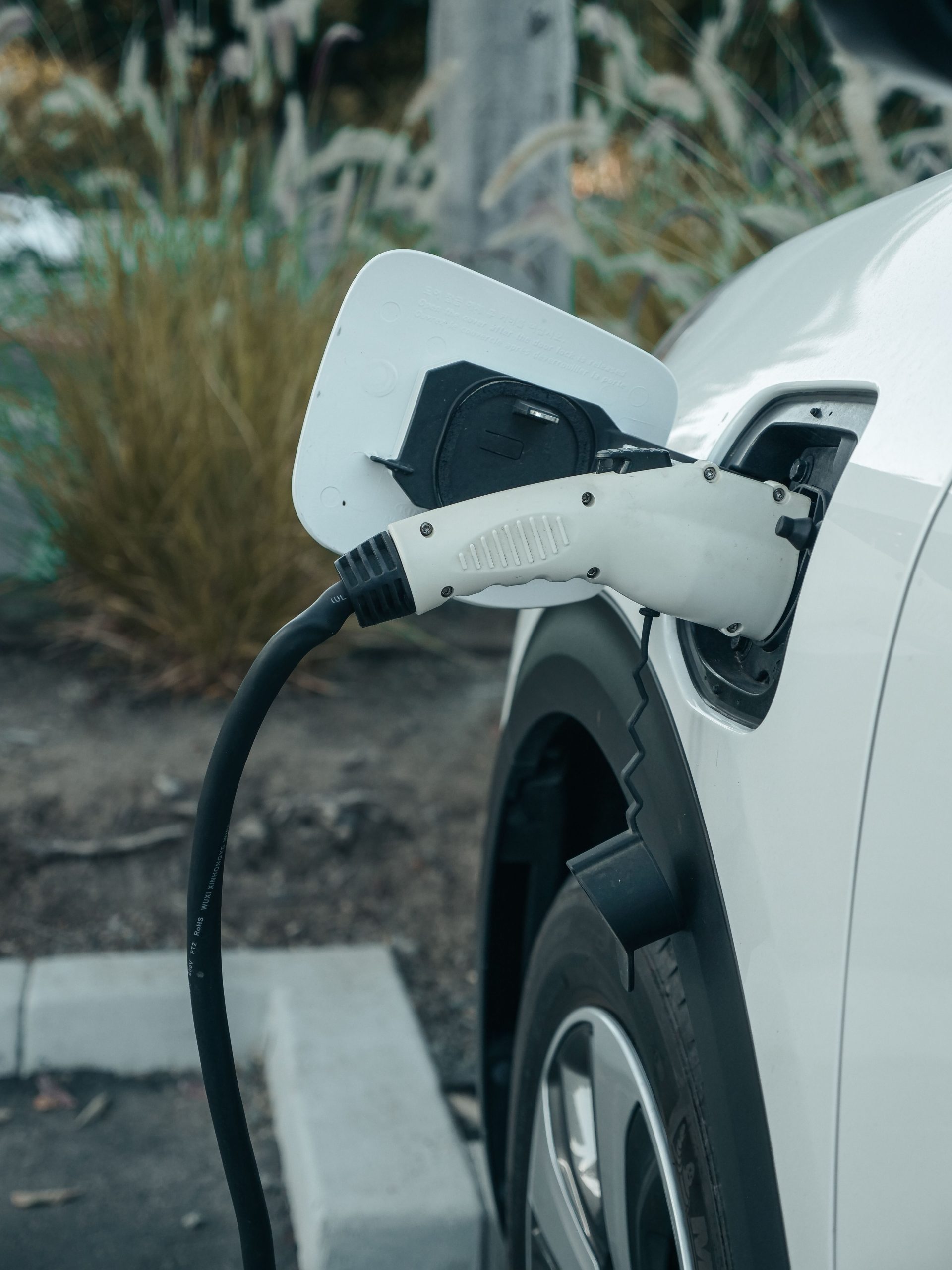
Commercial EV charging is becoming a business-critical investment. As EV adoption accelerates, on-site charging increases property value and makes commercial sites more appealing to. An increasingly popular practice for depot operators is opening their installations to industry colleagues as ‘en-route’ charging stations, unlocking further revenue streams.
The UK’s ZEV mandate, rising fuel costs, ESG targets and increasing demand from EV drivers are accelerating commercial EV adoption across the UK. Businesses are also investing now to take advantage of time-sensitive funding opportunities, including the Depot Charging Scheme.
Charging stations serve as visible proof of a company’s commitment to reducing emissions, enhancing brand reputation and aligning with corporate social responsibility (CSR) targets.
For retail parks, shopping centres and leisure destinations, installing EV charging points can also create a valuable new revenue stream while helping retain EV driving customers. Providing chargers attracts EV drivers who often stay longer and spend more while their vehicles charge. Also, pairing chargers with renewable sources like solar carports helps offset energy costs and increases sustainability impact, strengthening their brand.
Commercial EV charging solutions: charger types and power levels
Commercial chargers are designed to be weather-resistant and durable for constant public use, often including multiple units to accommodate high demand. Commercial charging stations support faster charging speeds ranging from 22kW to 350kW+ for rapid or ultra-rapid charging.
Rapid chargers are the fastest type of electric vehicle charger, typically found in motorway services, while fast chargers are used in supermarkets and car parks, with slow chargers most commonly used by homeowners for overnight charging.
DC power cabinet systems: High capacity modular architecture (up to 1440kW) for distributed satellite charging (up to 16 stations).
At higher charging speeds, infrastructure planning, grid capacity and load management become critical.

The full infrastructure picture
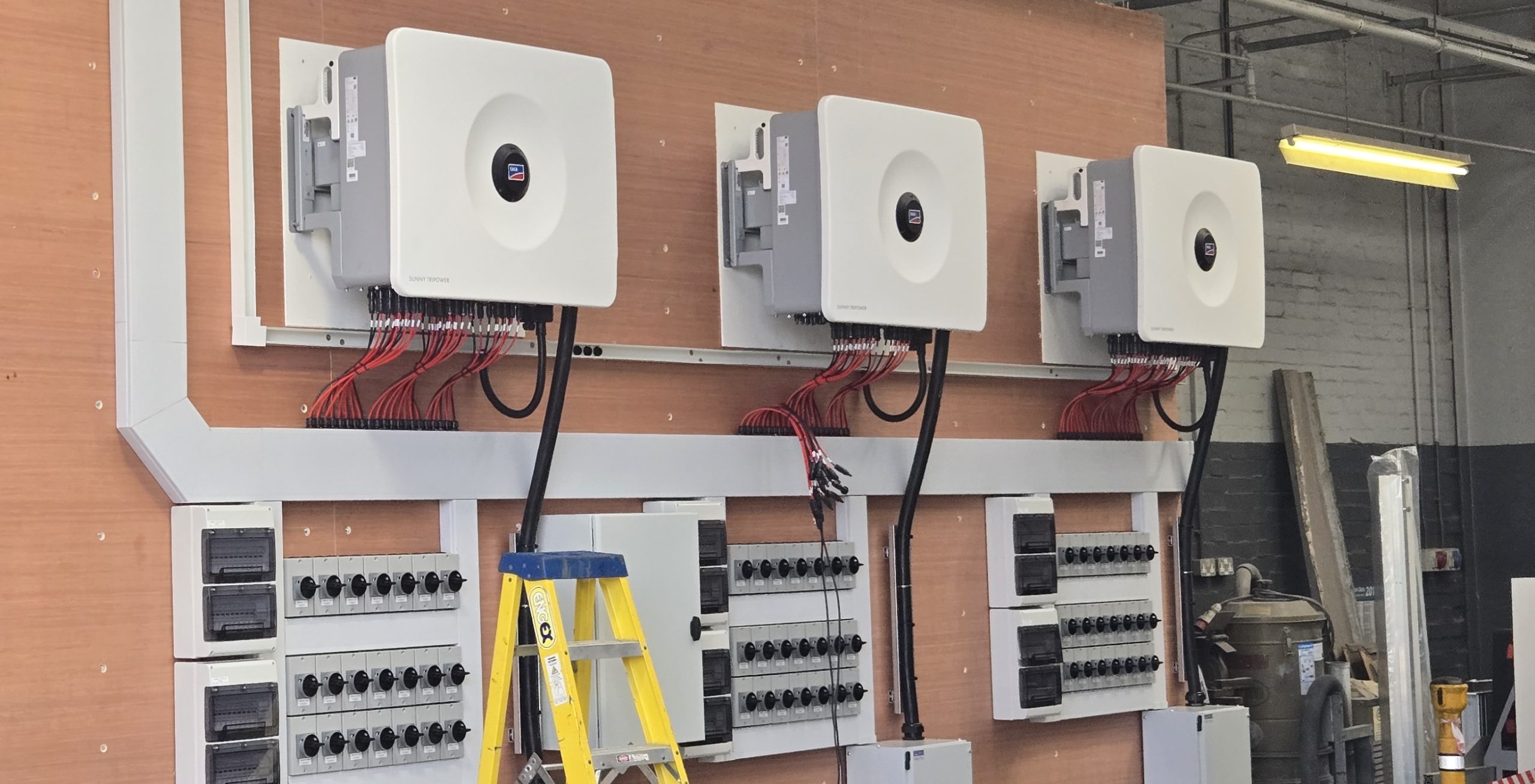
Commercial EV charging installation involves far more than simply installing chargers. Commercial installations are subject to strict building codes and accessibility requirements.
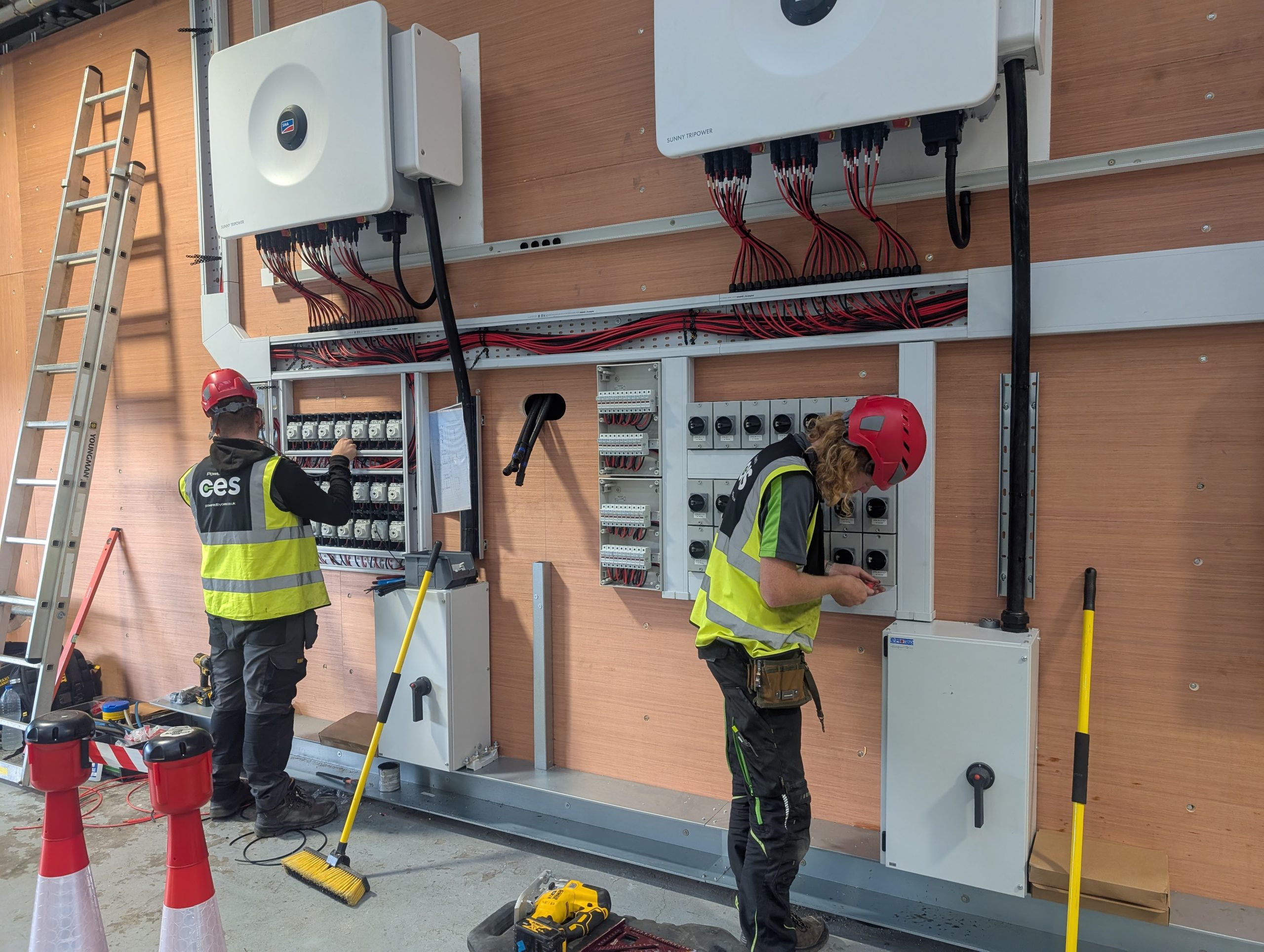
Grid connection & DNO engagement: One of the first stages in any project is assessing available site capacity. Where supply is insufficient, DNO upgrades or reinforcement works may be required, particularly for rapid chargers, multiple chargers and large-scale fleet charging infrastructure. CES manages DNO engagement directly, helping businesses understand connection requirements, approvals and potential upgrade costs.
Load management: Smart load management distributes available power across multiple charging points, helping businesses avoid overloading site supply while supporting operational charging priorities.
Battery energy storage systems (BESS): Battery storage can reduce dependency on the grid, flatten demand peaks and support high-power fleet charging.
Learn more about our battery storage solutions.
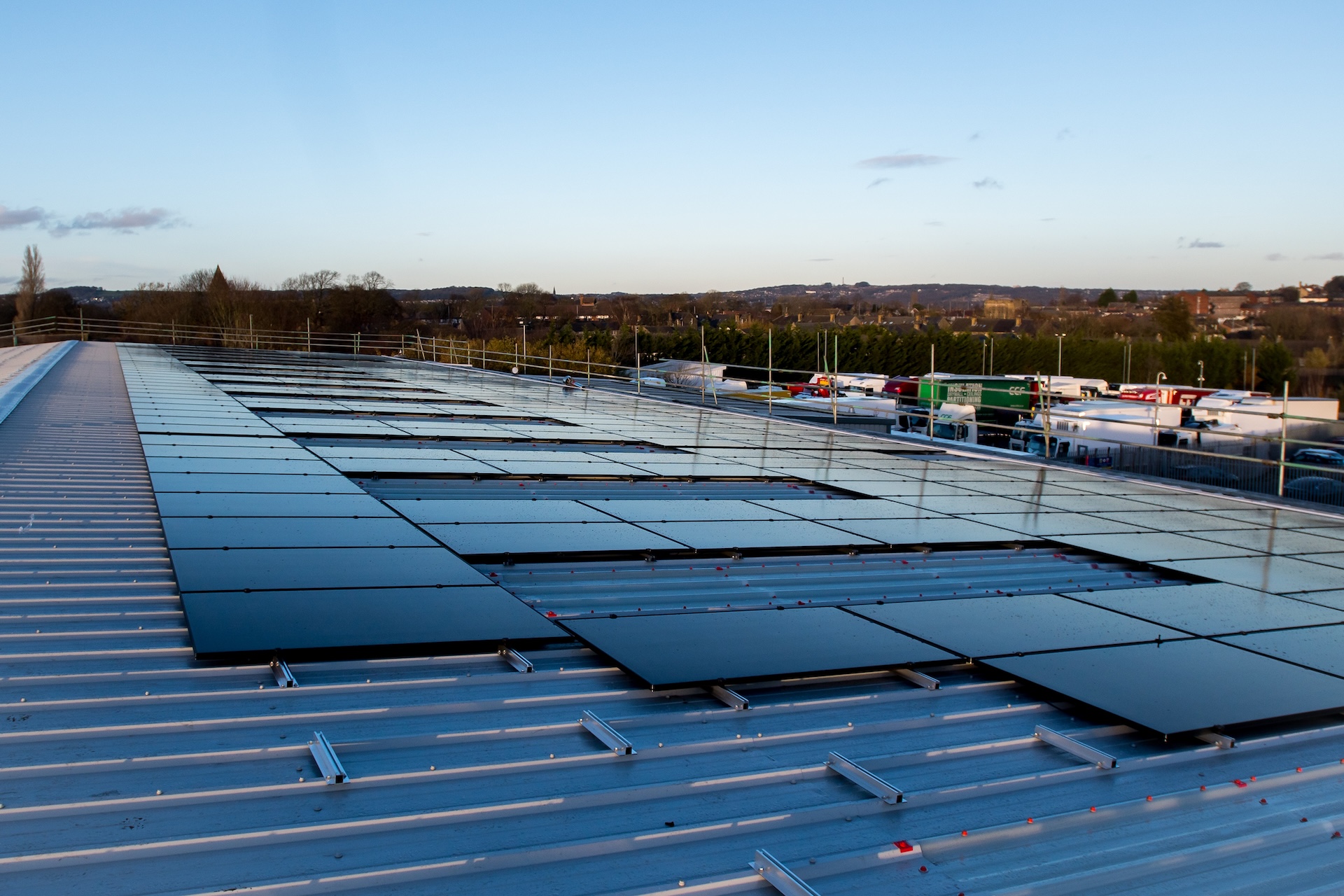
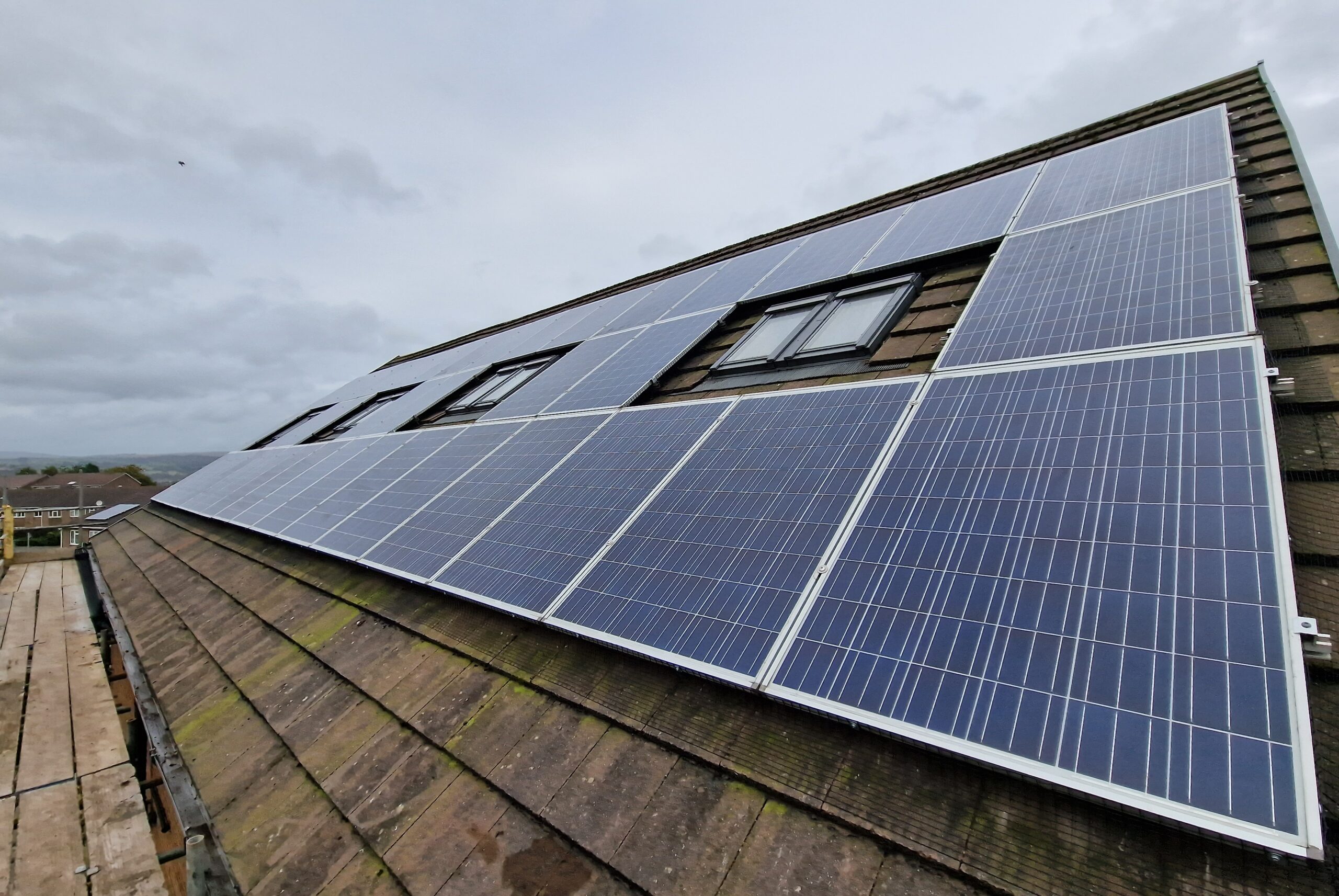
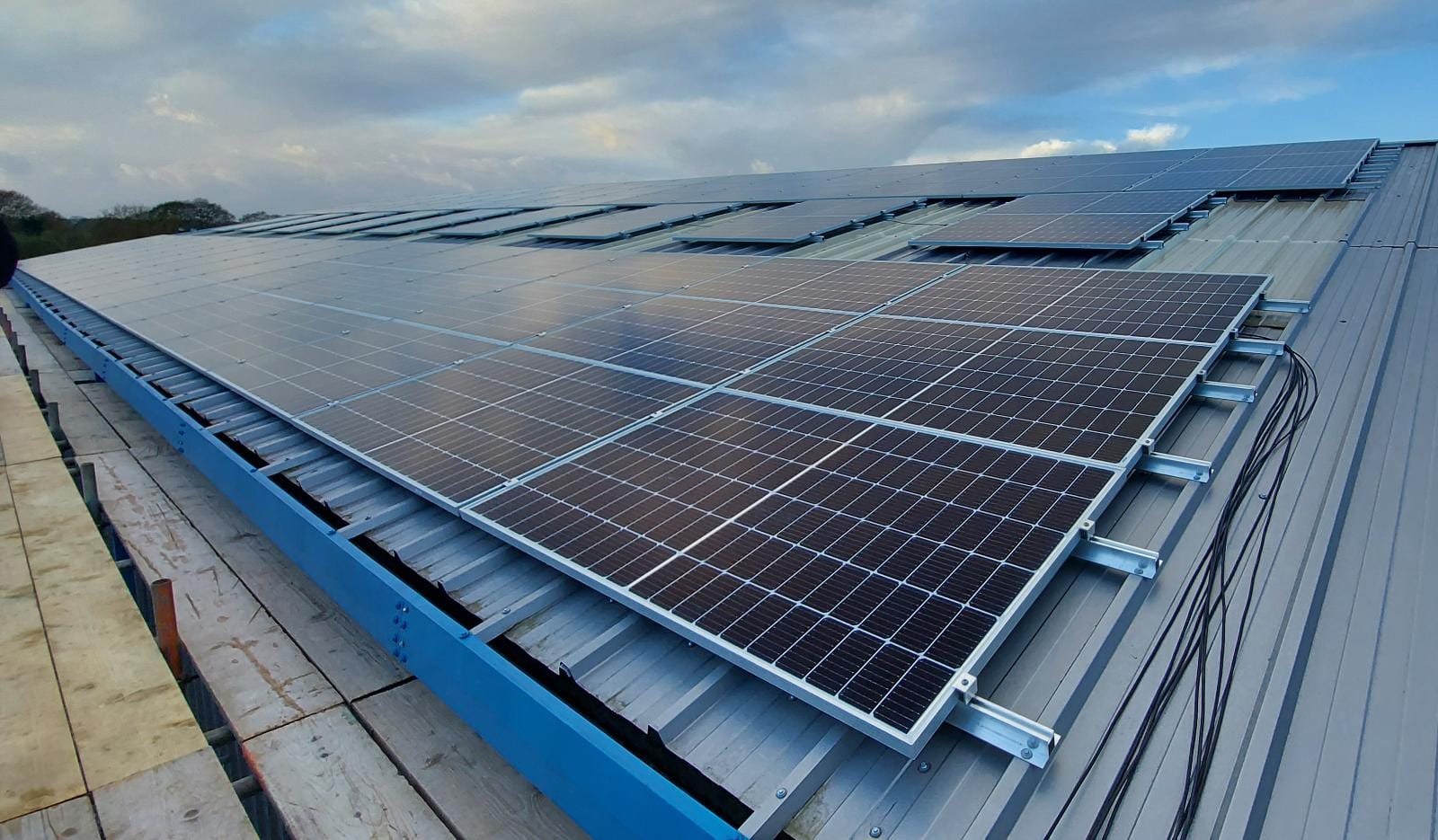
Solar PV integration: Solar PV can help offset the electricity costs associated with EV fleet charging, particularly for depot and warehouse , and in some cases, can be included under the DCS.
How much does commercial EV charging installation cost?
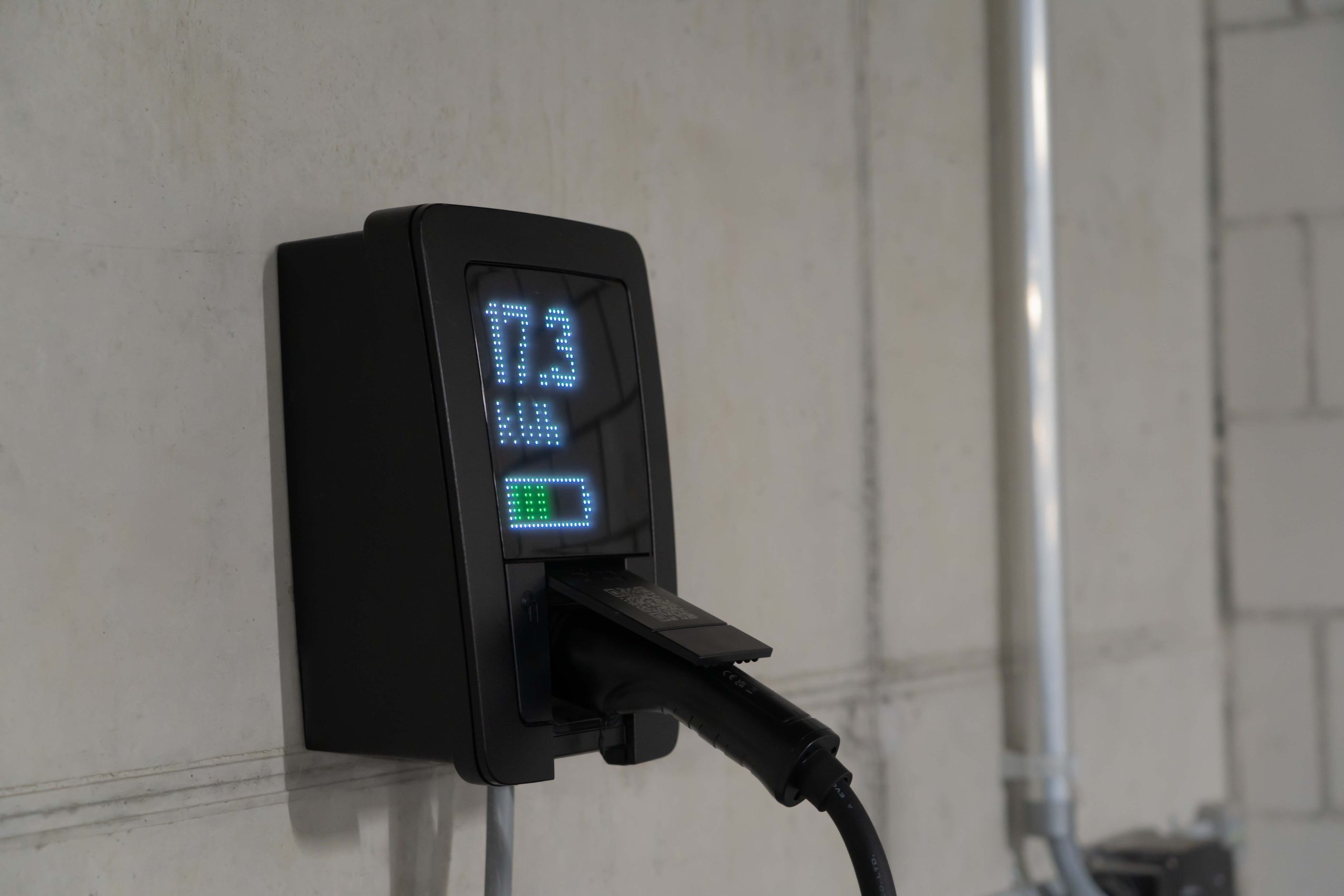
The cost of commercial EV charging installation depends on charger type, power outputs, site infrastructure, grid capacity and civil works.
Lower-power workplace chargers are generally more cost-effective, while rapid chargers and high-capacity commercial EV charging stations often require more substantial electrical infrastructure and DNO engagement.
Costs may include: Charger hardware, Cabling and groundworks, Parking bay preparation, Grid upgrades, Load management software, Ongoing maintenance
For eligible businesses, the Depot Charging Scheme may fund a significant proportion of installation costs.

The commercial EV charging installation process
- Site survey and consultation: We assess your site, operational requirements, vehicle usage and future charging plans.
- Grid capacity assessment: Our team reviews existing electrical infrastructure and available site capacity.
- DNO engagement: Where required, CES manages DNO applications and infrastructure upgrade discussions.
- System design: We design a commercial EV charging solution tailored to your business, fleet and future expansion plans.
- Commissioning and support: The system is fully tested, commissioned and supported through ongoing maintenance and monitoring.
Who we work with: commercial sites and fleet types
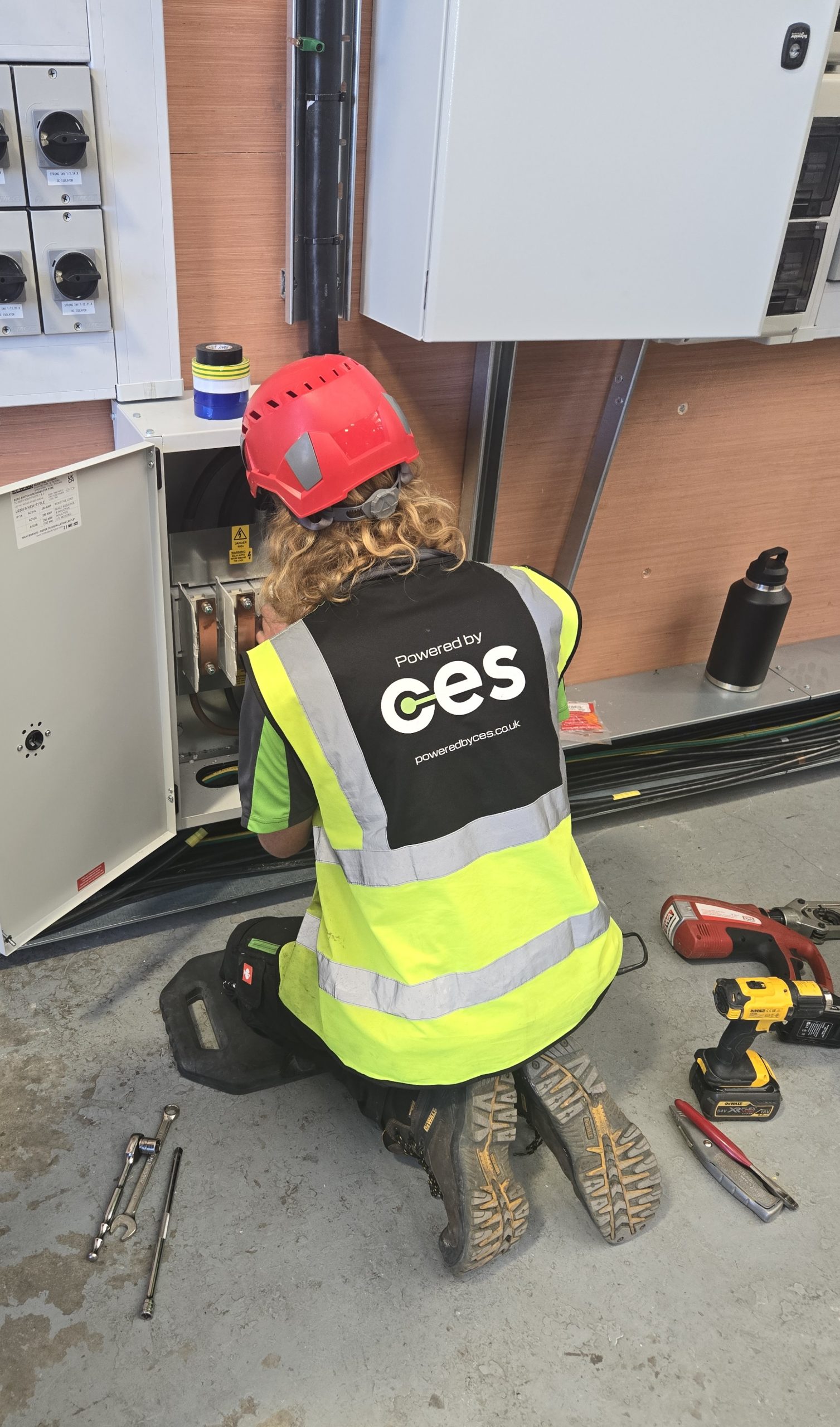
CES delivers commercial EV charging solutions for:
- Fleet depots and logistics operations
- Commercial vehicle dealerships
- Manufacturing and industrial sites
- Office and business parks
- Retail parks and shopping centres
- Public sector organisations and local authorities
We work with businesses across the UK, supporting both regional sites and national depot networks.
Meet our expert
Joe Collison – Director
Joe Collison, Director and co-founder of CES, has 16 years of industry experience designing and delivering renewable energy and electrical infrastructure solutions for businesses across the UK. Joe leads on the end-to-end approach to commercial EV charging, combining electrical expertise with a whole-site energy perspective, from grid capacity through to solar and battery storage .
His experience extends to Virtual Power Plants (VPPs), where energy generation, storage and demand are coordinated across multiple locations to support large-scale fleet electrification programmes.

Why choose CES for commercial EV charging?
CES provides end-to-end commercial EV charging solutions for businesses across the UK.
Our service includes: commercial EV charging installation, workplace EV charging stations, commercial fleet EV charging infrastructure, DNO engagement, charger design, battery storage integration and ongoing maintenance.
We combine electrical infrastructure expertise with practical fleet electrification experience, helping businesses install scalable, compliant charging systems.
Case studies
CES has delivered commercial EV charging and wider electrical infrastructure projects across multiple sectors. Relevant projects include:
- Commercial EV charging infrastructure installations
- Workplace EV charging projects
- Integrated renewable energy and EV charging systems
- Commercial electrical upgrades supporting EV adoption
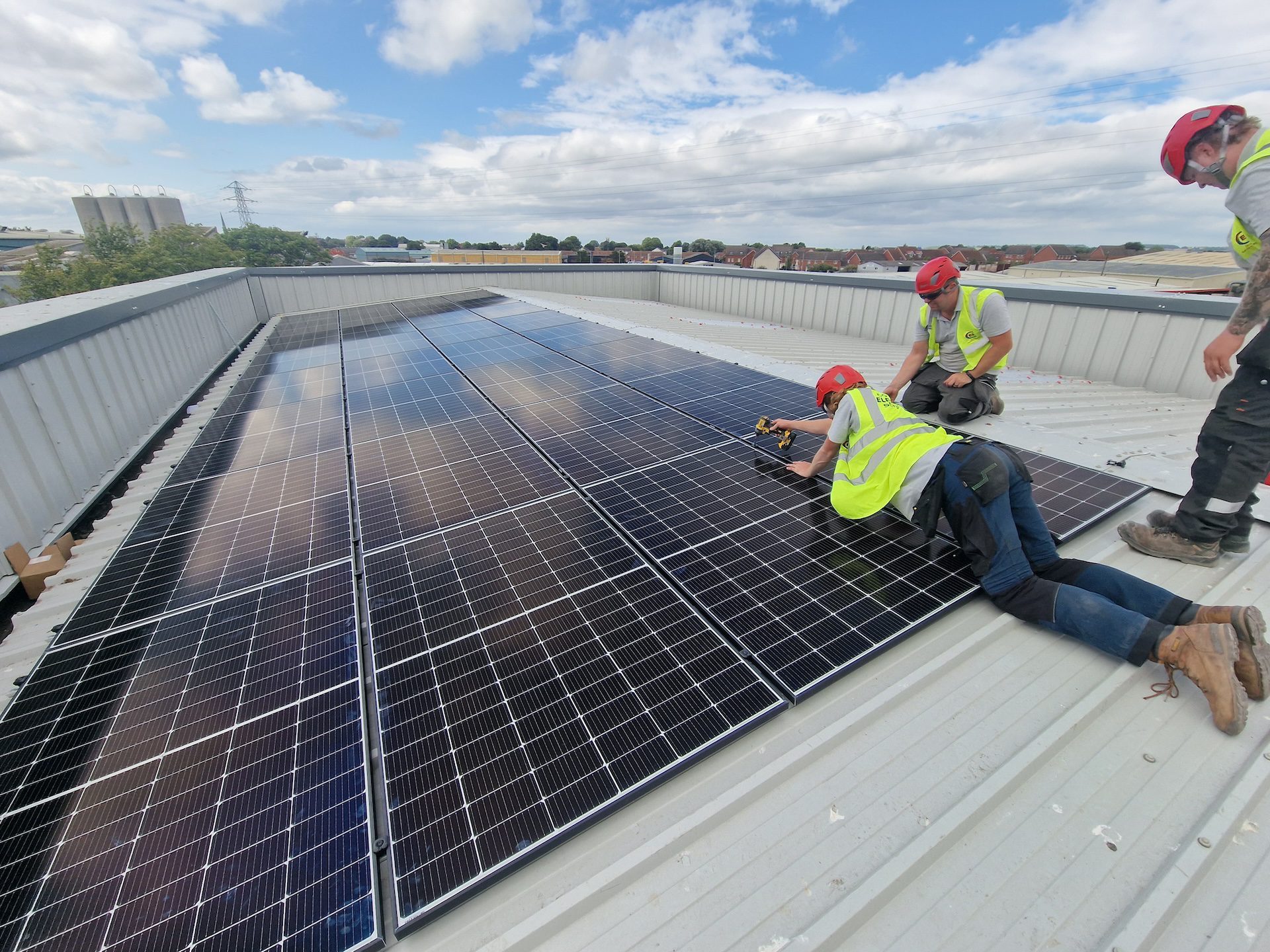
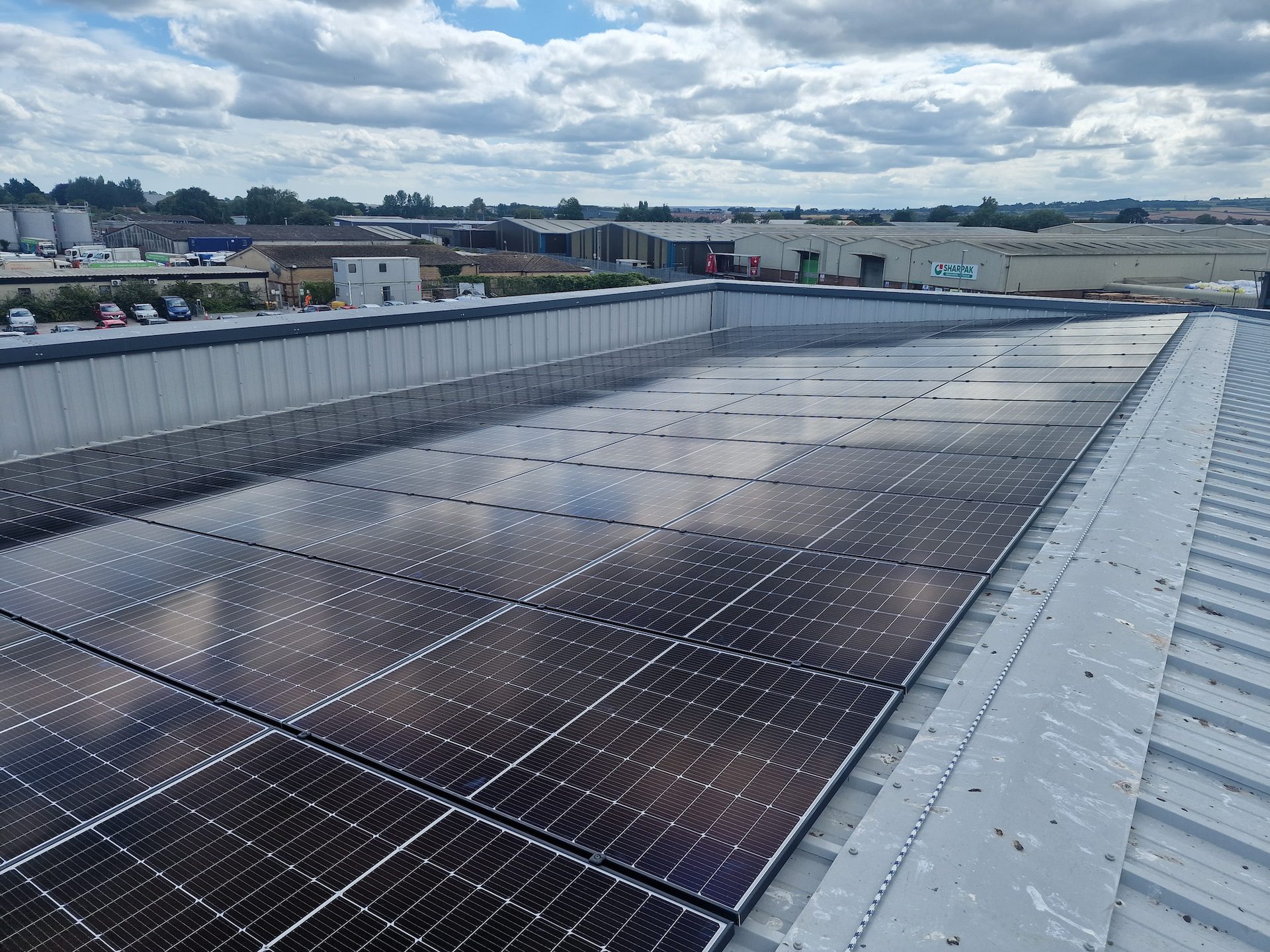
Explore our latest EV charging case studies below:
Compliance and standards
FAQs
What is the Depot Charging Scheme?
The Depot Charging Scheme is a UK government funding programme supporting commercial fleet electrification infrastructure.
CES helps businesses navigate the application process, including grid assessments, DNO engagement, infrastructure planning, and project cost planning.
What funding is available for commercial EV charging?
Current schemes include the Depot Charging Scheme, Plug-in Truck Grant and wider zero-emission vehicle funding support.
CES helps businesses identify relevant funding opportunities and prepare supporting technical information.
How do I know if my site has sufficient grid capacity?
A grid assessment reviews your existing electrical supply, available capacity and future charging demand.
CES carries out site assessments and advises whether upgrades or DNO reinforcement works may be required.
What does DNO engagement involve?
DNO engagement involves working with the local electricity network operator to assess connection requirements and infrastructure upgrades.
CES manages this process directly, helping businesses secure approvals and understand potential upgrade costs.
Can commercial EV charging systems integrate with solar panels and battery storage?
Yes. Solar PV and battery storage can help reduce electricity costs and support high-demand fleet , and can be combined under the DCS.
CES designs integrated energy systems combining commercial EV charging, solar generation, and battery storage where appropriate.

Ready to plan your commercial EV charging project?
Whether you’re exploring workplace EV charging stations, commercial EV charging infrastructure for fleet vehicles or funding opportunities through the Depot Charging Scheme, CES provides expert-led support from initial planning through to installation and ongoing maintenance.